What a Complete New Roof Installation Involves
The Scope of a Full Roof Replacement
A complete roof replacement is a major home improvement project. It goes far beyond patching a few missing shingles or fixing a small leak. When a roof reaches the end of its useful lifespan, or after significant storm damage, the only lasting solution is to strip it down to the deck and install an entirely new system. This article walks through the main stages of a new roof installation so you know what to expect and can make informed decisions for your property.
Inspection and Planning Before Work Begins
Every thorough replacement starts with an inspection of the existing structure. A contractor examines the roof deck for rot, sagging, or water damage. They also check the attic for signs of moisture or inadequate ventilation. This step determines whether any deck repairs are needed before the new roof goes on. A detailed plan is drawn up, including materials, timelines, and any necessary building permits. Most municipalities require a permit for a full tear-off and replacement, so the contractor handles that paperwork. The planning phase also includes ordering materials like shingles, underlayment, flashing, and vents, making sure everything is on site before the crew arrives.
Tear-Off: Removing the Old Roof
The first physical step is the tear-off. Crews remove all existing layers down to the roof deck. This includes old shingles, underlayment, and any flashing around chimneys, vents, and valleys. Tear-off is noisy and dusty work, but it is essential. Leaving old layers in place would hide potential deck damage and reduce the new roof's lifespan. The debris is loaded into a dumpster and hauled away. In some cases, if the existing roof has only one layer of asphalt shingles and the deck is sound, a contractor might install a second layer over it. However, a full replacement always involves a complete tear-off to ensure a clean, solid base.
Deck Repairs and Preparation
Once the deck is exposed, the crew inspects every square foot. They replace any rotted or damaged plywood or OSB panels. They also check for protruding nails, gaps, or uneven areas. A flat, solid deck is critical for the new underlayment and shingles to perform correctly. This stage may also involve installing new drip edge metal along the eaves and rakes. If the roof has valleys, the crew will install new valley metal or woven valley flashing. Proper deck preparation prevents future leaks and ensures the new roof lies flat and looks clean.
Underlayment and Ice and Water Shield
Next comes the underlayment. This synthetic felt or rubberized membrane is rolled out over the entire deck. It acts as a secondary moisture barrier beneath the shingles. In colder climates, an ice and water shield is often installed along the eaves and in valleys to protect against ice dams. The underlayment is fastened with cap nails or staples, and overlapping seams are sealed. This layer is the roof's first line of defense against wind-driven rain and melting snow. Good ventilation beneath the deck also matters here: ridge vents, soffit vents, or gable vents allow air to circulate, reducing heat and moisture buildup in the attic.

Flashing and Ventilation Details
Before shingles go on, all penetrations must be flashed. Flashing is the metal or rubber material that seals around chimneys, skylights, plumbing vents, and dormers. Each penetration is carefully cut and counter-flashed to direct water away. Improper flashing is a common cause of leaks. At this stage, the crew also installs any needed vents for the attic space. Ridge vents run along the peak, while static vents or turbines may be placed near hips. Good roof ventilation extends the life of the shingles by reducing attic temperatures in summer and preventing condensation in winter.
Installing the New Roof Covering
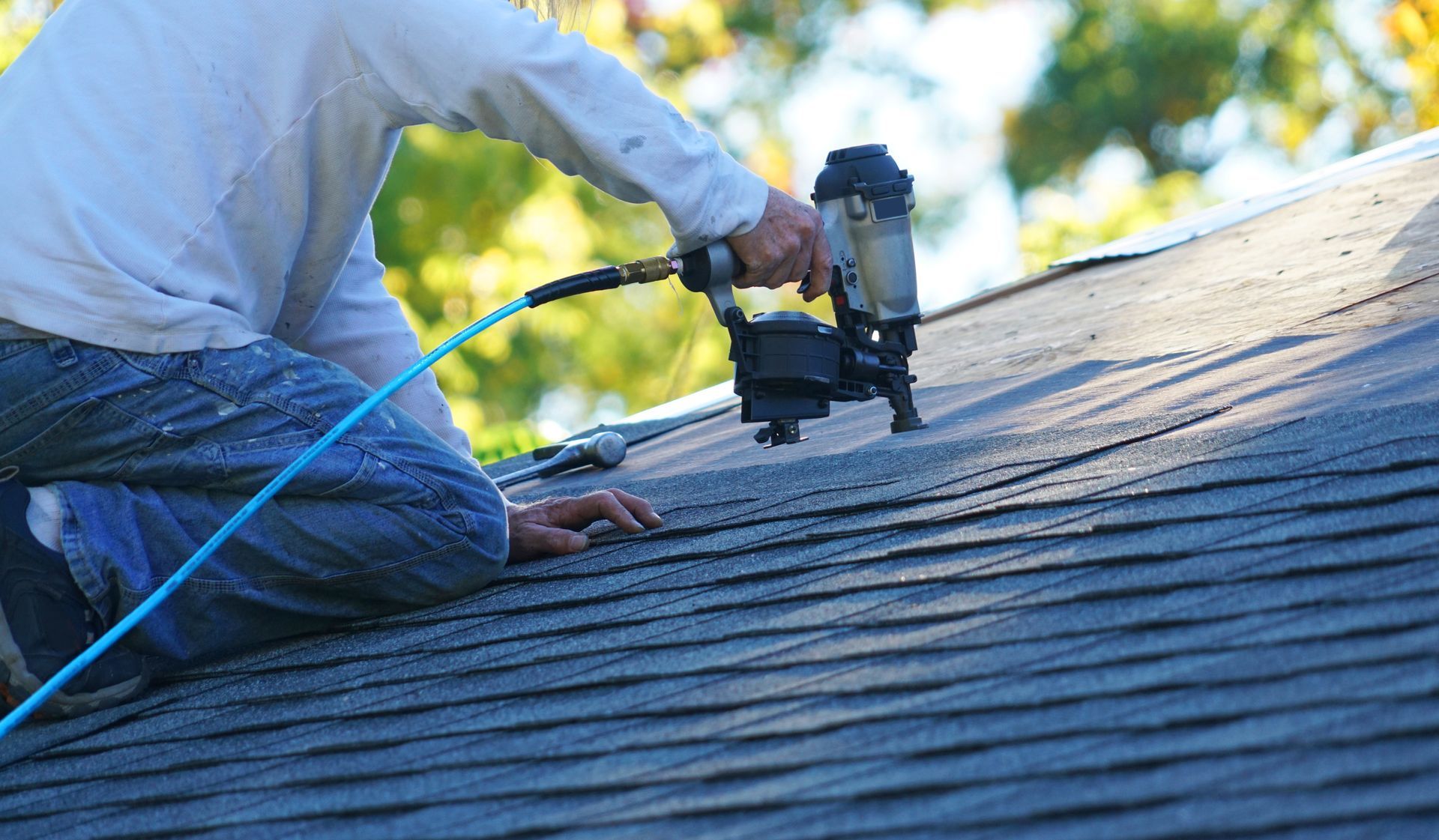
Now the main covering goes on. For asphalt shingles, the crew starts at the bottom edge and works upward, overlapping each course. They nail or staple each shingle according to manufacturer specifications. For tile roofing, the process is similar but uses heavy clay or concrete tiles that require extra structural support and careful alignment. Metal roofing involves interlocking panels that are screwed down at specific intervals. Each material has its own proper installation method, fastener pattern, and slope requirements. The key is consistent overlap and secure fastening to withstand high winds. Ridge caps, hip caps, and starter strips finish the edges.
Final Inspection and Cleanup
After the new roof covering is complete, the crew installs gutter guards or leaf guards if specified. They check all flashings and vents for tight seals. A final inspection is done by the contractor and often by the local building inspector to sign off on the permit. The worksite is cleaned thoroughly: all debris, nails, and packaging are removed. The dumpster is taken away, and the property is left tidy. A responsible contractor like READY ROOFING, LLC will walk the homeowner around the finished job, pointing out the new vents, flashing, and shingle pattern, and answering any questions about maintenance and warranties.
What a New Roof Means for the Homeowner
A complete replacement is a significant investment, but it brings peace of mind. The new roof will protect the home for decades, reduce the risk of interior water damage, and often improve energy efficiency. Modern underlayments and ventilation systems keep the attic drier and cooler. The home's curb appeal also improves, which matters if you ever plan to sell. The key is choosing the right contractor and materials for your climate and budget. For homeowners in Northern Florida, where storms and humidity are real factors, a well-installed roof with proper ventilation and impact-resistant shingles is especially valuable. A company like READY ROOFING, LLC, with experience in both residential and commercial roof replacements, can help navigate these choices and ensure the job meets local building codes.
Common Questions About New Roof Installation
How long does a full replacement take?
Most residential jobs take two to five days, depending on the roof's size, slope, and complexity. Weather delays and deck repairs can extend the timeline.
Can I stay in my home during the work?
Yes, usually. The crew works outside, and the interior is not affected except for some noise. If the roof has extensive deck repairs, the attic may be temporarily exposed, but the living spaces remain accessible.
What about warranties?
Manufacturers offer warranties on shingles and other materials, and the contractor typically provides a workmanship warranty. Always get the details in writing before starting.
Should I replace gutters at the same time?
It is often wise. New gutters and downspouts match the new roof's look and ensure proper drainage. The flashing at the eaves integrates with the gutter system, so doing both together avoids future leaks.
Ready Roofing provides residential and commercial roof repairs, replacements, inspections, and storm damage restoration across Northern Florida. You can reach them at their Jacksonville office: 5105 Philips Hwy Ste 205, Jacksonville, FL 32207, USA, by phone at +1 904-404-9849. They serve homeowners and businesses throughout the region, helping with everything from minor repairs to full new roof installation.
READY ROOFING, LLC is also on LinkedIn.